
Load Bank Load Testing for Data Centers
Ensuring Power Reliability Through Simulated Load Testing

Data centers are the backbone of today’s digital economy, powering the infrastructure for applications, storage, data processing, and much more. Ensuring their seamless operation is critical, especially given the high demand for uptime and reliability. A critical aspect of maintaining these facilities involves assessing the electrical and cooling systems under varying levels of demand to ensure they perform as expected. This is where load bank load testing for data centers becomes essential. This type of testing allows facility managers and engineers to proactively test and validate the infrastructure's capacity to support continuous power demands, even under extreme conditions, helping to minimize the risk of operational failures.
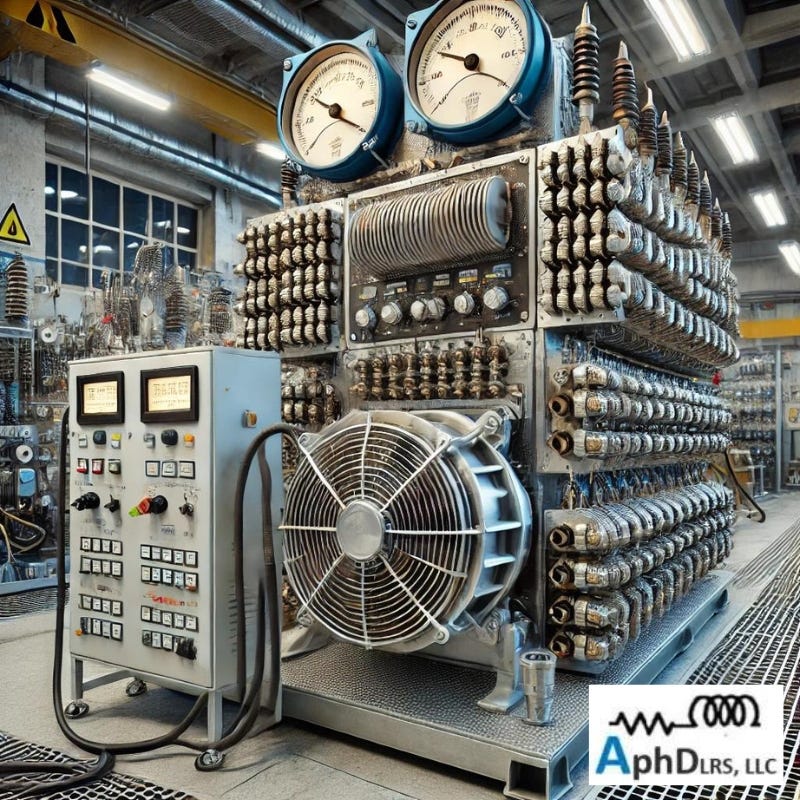
Data centers have complex electrical systems, including UPS (Uninterruptible Power Supplies), backup generators, and transfer switches. Each of these elements is vital to delivering reliable power to critical equipment during normal operations and in emergencies. Load bank load testing simulates real-world demands on these power systems, allowing engineers to test the performance of generators, battery backups, and overall infrastructure under a controlled load. During a load bank test, an artificial load is applied to the data center’s electrical systems to mimic the effect of full operational demand. This method ensures that the systems not only perform at their optimal level but are also capable of handling potential power surges and extended power demands.
One of the major advantages of load bank testing is its ability to uncover hidden weaknesses or potential points of failure. Without such testing, data centers run the risk of undetected faults in power systems or cooling inefficiencies that might only become apparent during actual operational demands. Conducting these tests regularly is essential for verifying that backup generators, UPS systems, and transfer switches are all synchronized and ready to respond in case of a power interruption. During a load bank test, technicians can observe and record the performance metrics of each system component, identifying areas where maintenance or upgrades may be required to sustain performance levels. This preventive approach helps ensure that, in the event of an actual power failure, the data center can rely on its emergency power systems to maintain uptime.
In addition to verifying the capability of power systems, load bank testing also serves as a test for the data center's cooling infrastructure. Data centers generate an enormous amount of heat, which, if not adequately managed, can lead to overheating and equipment failures. By simulating real-world load scenarios, load bank testing helps identify whether the cooling systems can maintain a stable temperature even under full operational demand. This aspect of testing is critical because over time, cooling systems can degrade, becoming less efficient and less capable of handling peak loads. Through regular load testing, data centers can confirm that their cooling systems remain effective and detect early signs of wear that might affect future performance.
Load bank load testing can be classified into two main types: resistive and reactive testing. Resistive load bank testing assesses the power systems by applying a purely resistive load, simulating standard power demands without the inductive or capacitive components that can be present in real-world electrical loads. This approach helps confirm that the generator and UPS systems can deliver power at rated capacity. On the other hand, reactive load bank testing goes a step further by simulating loads that include reactive components, such as motors or transformers. Reactive testing provides a more realistic assessment of how power systems will perform in operational environments where loads are rarely purely resistive. Both types of load testing provide valuable insights, with reactive testing being especially useful for data centers with equipment that requires an inductive load to fully simulate real-world conditions.
A key element of load bank testing is its flexibility. Load banks can be configured to simulate a range of load levels, allowing data center managers to test their systems incrementally or at full load. By adjusting the load levels, engineers can observe the response of each system component under different conditions, from low-demand scenarios to peak operational demands. Incremental load testing allows for a comprehensive analysis of system stability, efficiency, and endurance, ensuring that each part of the data center’s power and cooling infrastructure can handle sustained high-load conditions. This flexibility in testing helps data centers build resilience against unplanned events, from power surges to prolonged outages.
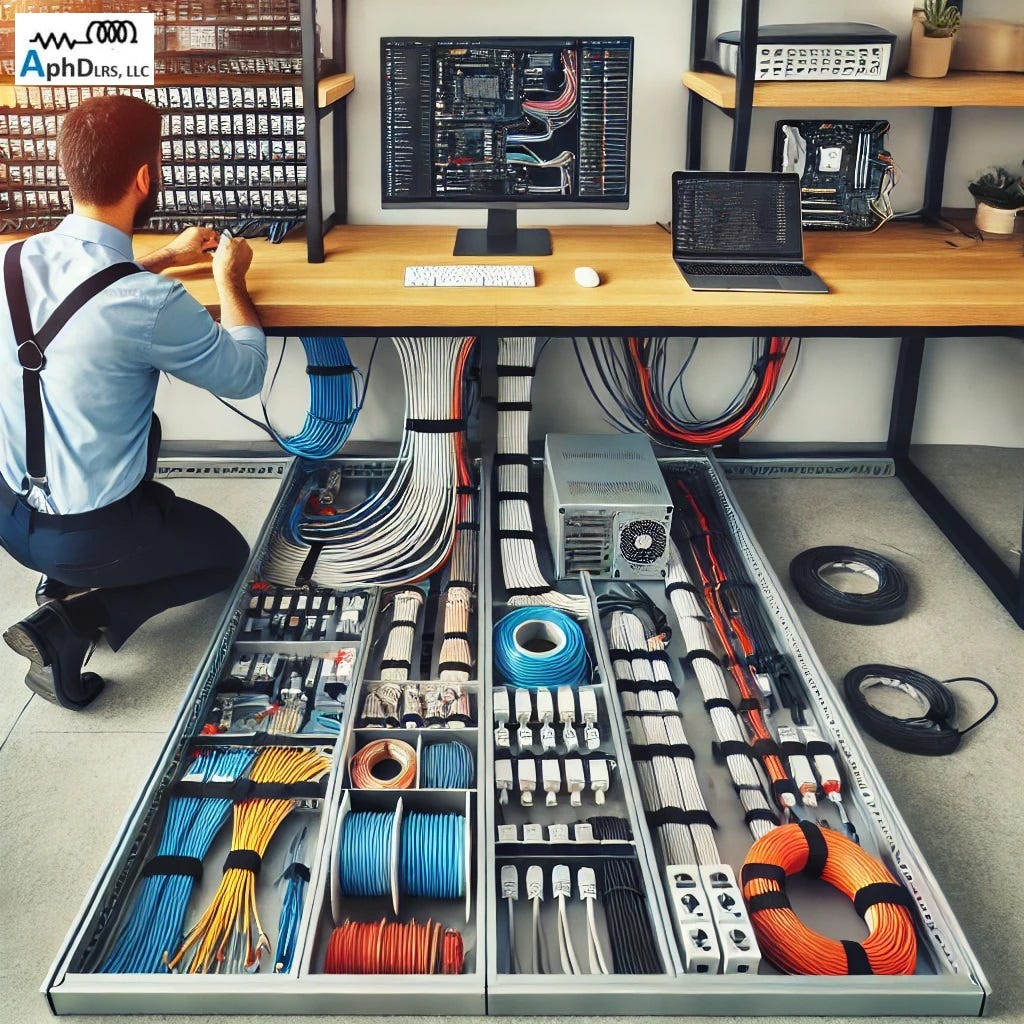
Implementing load bank testing involves a careful balance of scheduling and planning to avoid disrupting regular data center operations. Many data centers conduct load bank testing during off-peak hours or scheduled maintenance windows to minimize any impact on live operations. The testing procedure typically involves temporarily disconnecting the critical load from the primary power source and connecting it to the load bank instead. Once connected, the load bank simulates the required load, allowing technicians to monitor and record the system’s response without impacting actual operations. This process ensures that data centers maintain a high level of readiness without compromising daily functionality or uptime.
Beyond identifying potential points of failure, load bank load testing also supports compliance with regulatory standards and industry best practices. Data centers are often subject to stringent regulatory requirements, particularly in sectors like finance and healthcare, where data security and uptime are paramount. Regular load bank testing demonstrates a proactive approach to risk management and adherence to industry standards, which can be critical in audits and regulatory evaluations. Additionally, many insurance providers view load bank testing as a risk mitigation strategy and may offer favorable terms for data centers that incorporate regular testing into their maintenance schedules.
From a long-term perspective, load bank load testing can also be cost-effective. By identifying and addressing potential issues before they escalate into critical failures, data centers can save on costly emergency repairs and avoid the potential financial impact of unplanned downtime. The insights gained from load bank testing enable data center operators to plan their maintenance activities more effectively, replacing or upgrading system components as needed to maintain optimal performance. This proactive approach not only minimizes operational disruptions but also extends the lifespan of critical equipment, contributing to more efficient capital expenditure planning.
For data centers in regions prone to natural disasters or areas with an unstable power grid, load bank load testing is particularly valuable. These facilities face heightened risks of power interruptions, and load bank testing offers a way to ensure that backup systems are ready to respond instantly in case of a power failure. Whether it’s a storm-related outage or an unexpected grid failure, load bank testing provides confidence that the data center’s power infrastructure is capable of handling emergency demands. This preparation is critical, as even brief periods of downtime can result in data loss, disrupted operations, and substantial financial repercussions for businesses relying on data center services.
Moreover, load bank load testing is beneficial not only for new facilities but also for existing data centers that have undergone significant expansions or upgrades. Whenever new equipment is added, or existing infrastructure is upgraded, load bank testing can confirm that the power and cooling systems are equipped to handle the additional demand. By validating infrastructure readiness after expansions, data centers can prevent overloading issues and ensure that the upgraded facility continues to operate within safe and efficient parameters. This approach provides reassurance that both new and existing systems can operate harmoniously, delivering the required power and maintaining environmental stability.
Load bank load testing for data centers is an indispensable process for ensuring the reliability and resilience of both power and cooling systems. This testing method allows data centers to simulate real-world demand, uncover potential weaknesses, and implement proactive maintenance strategies. By verifying that all components function as intended under simulated loads, data centers can improve operational efficiency, reduce risk, and avoid costly downtime. For any data center that prioritizes uptime and reliability, load bank load testing is a critical aspect of maintaining robust and dependable infrastructure.